

If you like stories about product, leadership, and the moments that make us better, I write one reflection each week. Would love to have you follow along.
Read time: 3 minutes (w/ video below)
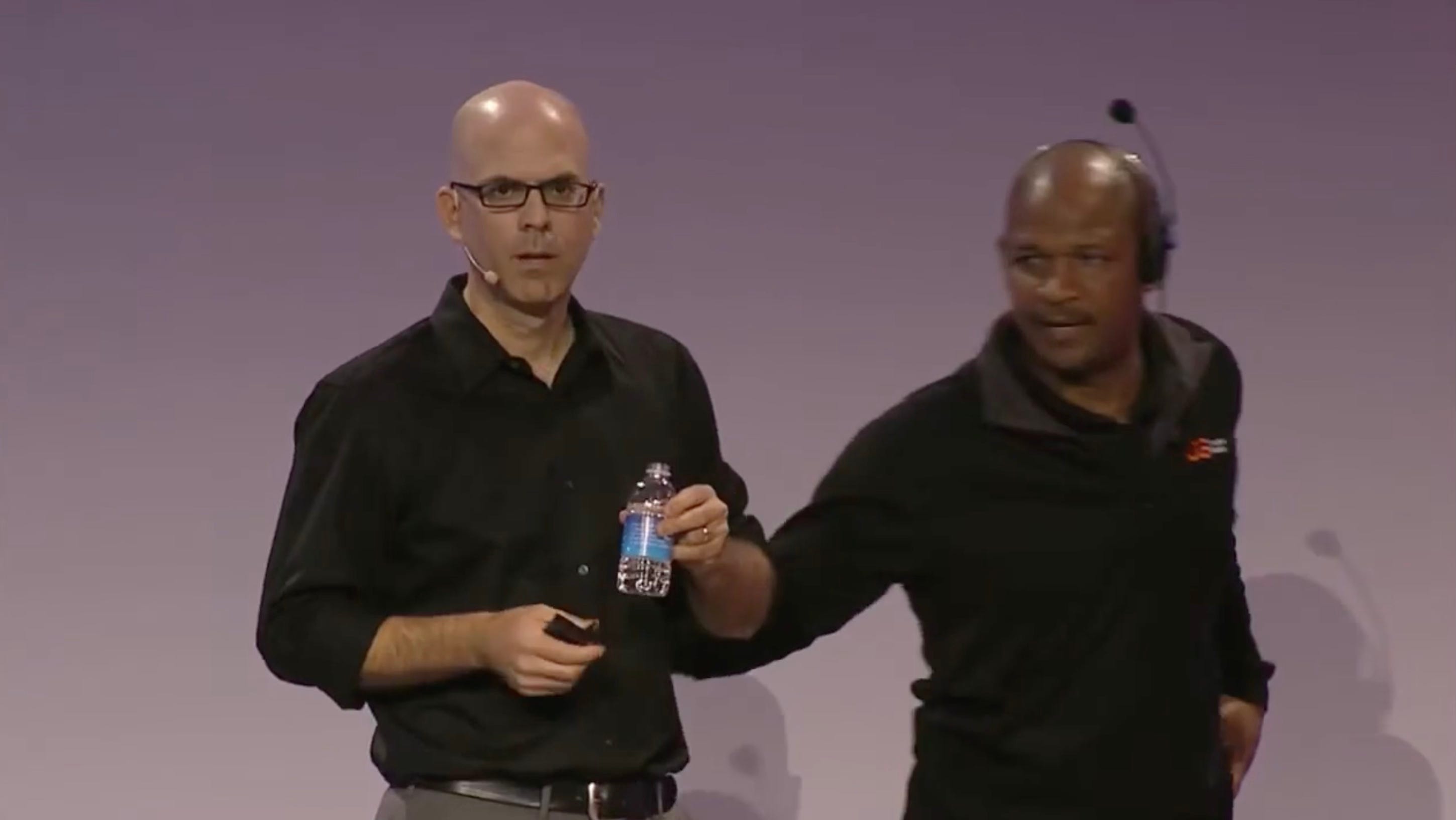
Ten years ago, I was in the middle of a LinkedIn product keynote in Las Vegas when the AV system froze for almost three minutes. I wrote about the experience after it happened and this week—exactly ten years later—I’m revisiting it.
With the benefit of ten years and a little reflection, I’d say the biggest lesson learned was the value of taking a breath. A breath, along with a smile, is an underrated tool in so many situations.
To this day, those three minutes of minor stage chaos taught me more than you might think about staying present in the moment. And yes, I still keep a few knock-knock jokes in my back pocket...just in case. Original post below.
Originally posted November 17, 2015
Recently, I had the privilege of giving the product keynote at LinkedIn’s 2015 Sales Connect event at the Bellagio Hotel in Las Vegas. My job was to represent the work of the team building LinkedIn’s flagship sales product, LinkedIn Sales Navigator, and to walk the conference attendees and a livestream audience through the product’s newest features.
Prepping for a keynote is all about practice, and I had worked with our product marketing team on plenty of that. But as the event date drew closer, I also imagined a few problem scenarios. What would I do if I completely lost my place or maybe needed to grab some water?
On the actual day, though, one problem scenario I hadn’t planned for was a major technical glitch. Just 11 minutes into my 30-minute presentation, the audience and I were looking behind me at a blank screen. The computers driving my presentation backstage had lost power and crashed. How long could a reboot take? Three. Long. Minutes.
Yes, I felt a burst of stress. This was wedding toast territory—but with more guests and no sip of champagne to calm the nerves. Completely free form.
When a keynote runs into any issue like this, the sole goal is to keep everyone seated while the presentation gets back on track. Easier said than done. Especially in Vegas.
With the benefit of hindsight, I realized I’d used three steps to help me get through the situation, from the second I noticed the blank screen to managing the audience until the technical issue was resolved. These steps have broader applications in any stressful situation.
Here are the steps I took on stage in that moment:
1. Take a breath. The first thing I remember doing right when the presentation crashed was to take a breath. I walked across the stage to grab a water bottle. The breath, the stroll to grab the water, and actually drinking it slowed the situation down a beat or two. This helped me view the moment as an observer, rather than as a participant. The net effect was immediate relaxation. I gained just a bit of perspective: this technical glitch was less of a problem and more just a need to kill a little time while the presentation was rebooted.
2. Revert to the familiar. The second thing I did, unconsciously, was revert to the everyday. In the context of day-to-day work in the office, a big part of our time is spent in meetings. A big part of meetings is waiting for everyone to be ready to go...to arrive, to dial in, and to get video working, and then the meeting finally starts. These are small pockets of dead time, and for years I’ve made a habit of filling them by asking if anyone has any jokes they can tell. In the context of that stressful situation on stage, I immediately went to this same mental space. I was relaxed, and I felt like I was in a familiar place.
3. Get others involved – quickly. Now that I felt back in control, I still had to say or do something to pass the time. There was no way I was going to entertain the audience myself. Based on what was familiar to me––getting people to tell jokes during meeting lulls—I asked the audience to share their best knock-knock jokes. A few audience members rose to the occasion and offered some material. Lesson: In a stressful situation, get others involved.
The result: a three-minute break where no one left their seat. Stress was minimized, jokes were told, and everything worked out. All with some knock-knock jokes—and a breath.
If this helped you think more clearly about leading teams or products, I write here once a week.
Subscribe here.