

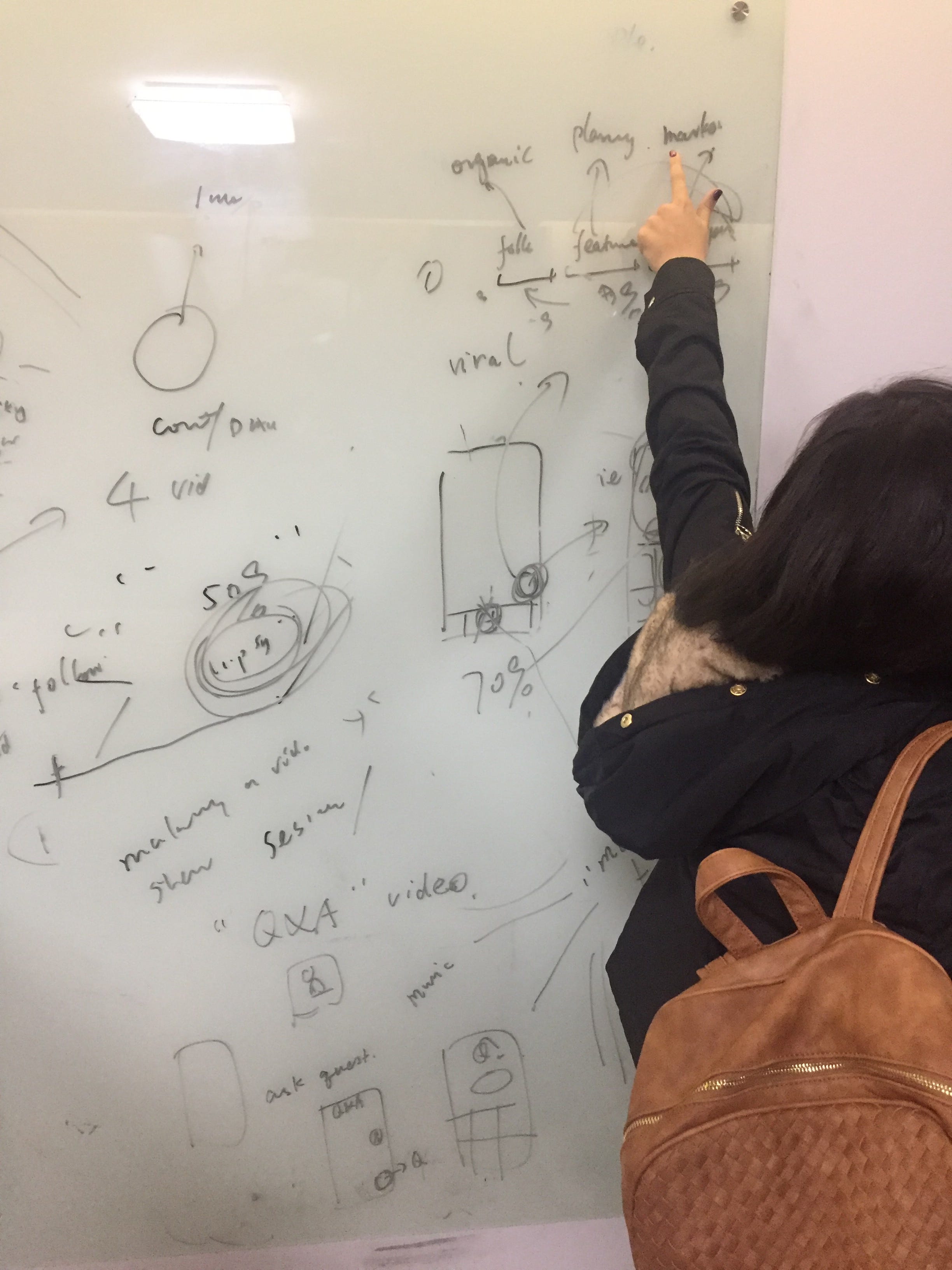
On October 27, 2016, I was in Shanghai, traveling through China with about 15 members of LinkedIn’s research and development team. We were visiting a series of companies in different cities, learning about how those teams thought about building their apps.
On this October day, we visited Musical.ly’s offices, met some of the team and had a relaxed conversation with the app’s co-founder, Alex Zhu. We wanted to learn more about Musical.ly, which at the time was growing fast. In some ways this trip to China, and the visit to the Musical.ly offices, felt like looking into the future.
Today in 2026, as AI transforms how we work, there is a glut of conversation about taste. “Taste will be what differentiates product builders” is the usual frame, as AI tools make the building easier and more accessible.
But taste (even when defined well, and it rarely is) is evaluating outputs that already exist.
The scarcer and more valuable act in the future will be about generating inputs. Seeing an original spark of insight and creating something totally new in the first place.
On that day in 2016, Alex and a couple of product managers crowded into a cramped room with plain white walls and a very large whiteboard. He began riffing on how social networks worked, and why they built Musical.ly the way they did. “I’ll just write at the whiteboard if something comes up.” He did.
One insight from Alex’s talk stayed with me. Before returning to Shanghai, he told us, he’d spent time working a few larger company roles in Silicon Valley, then had a startup idea to build an educational app. His commute in those days was taking Caltrain up and down the Peninsula between Mountain View and San Francisco.
Alex described observing teenagers on those train rides passing time together: listening to music and shooting photos or videos. He saw them experimenting with leaving the speaker on when shooting so the music from the phone would be in the video clip. The teens shared what they did on their phones with each other, laughing and having fun. Up and down the Peninsula.
This was an organic human workaround happening on those daily commutes. The teens were creating a mix of media experiences for themselves. At the time, no existing tool or app made this easy. Alex noticed what was happening.
He decided to pivot his not very popular educational app into what would become Musical.ly, building a new app around these observations. The team built the new app quickly and released it in 2014.
The new app became a breakout hit, huge with American teenagers. Teens used the app all the time to video themselves lip-syncing and dancing to fifteen-second clips of a song. On Vine or Instagram you experienced the app by person. Musical.ly was organized around songs.
Musical.ly, and Zhu, eventually became part of ByteDance, when that company bought the app in November 2017 and folded it into their other video efforts. What came next was TikTok, using much of what Musical.ly had built and learned.
It’s the noticing that’s the hard part of any initial insight.
The train ride Alex traveled was the same commute I took many times, for a few jobs I’ve had in the Bay Area. It’s possible that I was on the train some random day at the same time Alex was. But I didn’t notice what he noticed. If I’m honest, I was probably buried in my laptop catching up on email. Not making time for seeing the world around me.
I’m still working on observing and noticing more, and it always starts with making time for it. Since you’re reading this now, look up for a second. What do you notice?
Then ask yourself: What did you observe this week that nobody has built yet?
Hi, I’m Jeff. I spent 25 years building product at LinkedIn, Facebook, Headspace, and Included Health. Now I coach senior product leaders through the moments where the old playbook stops working: a bigger scope, a new company, communicating at the exec level, or figuring out what’s next. I work with a small number of 1:1 clients in six-month engagements, and every one started with a single conversation. If that’s you, or someone on your team — reply to this email. I read and answer every one.
Love this post. What a great reminder!