

👋 Hi, I’m Jeff. I write weekly about lessons I’ve learned leading product teams and working to lead well in chaotic environments, drawing on 25+ years of building.
1:1 exec coaching: I’m working with a small number of senior leaders one-on-one as a coach. These are typically six-month engagements. If that’s you or someone you know, ping me.
⏱ Read time: 3 minutes
In 1996, I was 25 and producing a story in Sacramento for a PBS television documentary called Easy Money. It was an investigation into the gambling industry’s political power. My job was to set up interviews, produce video shoots with a crew, and keep the production running—aka make television happen.
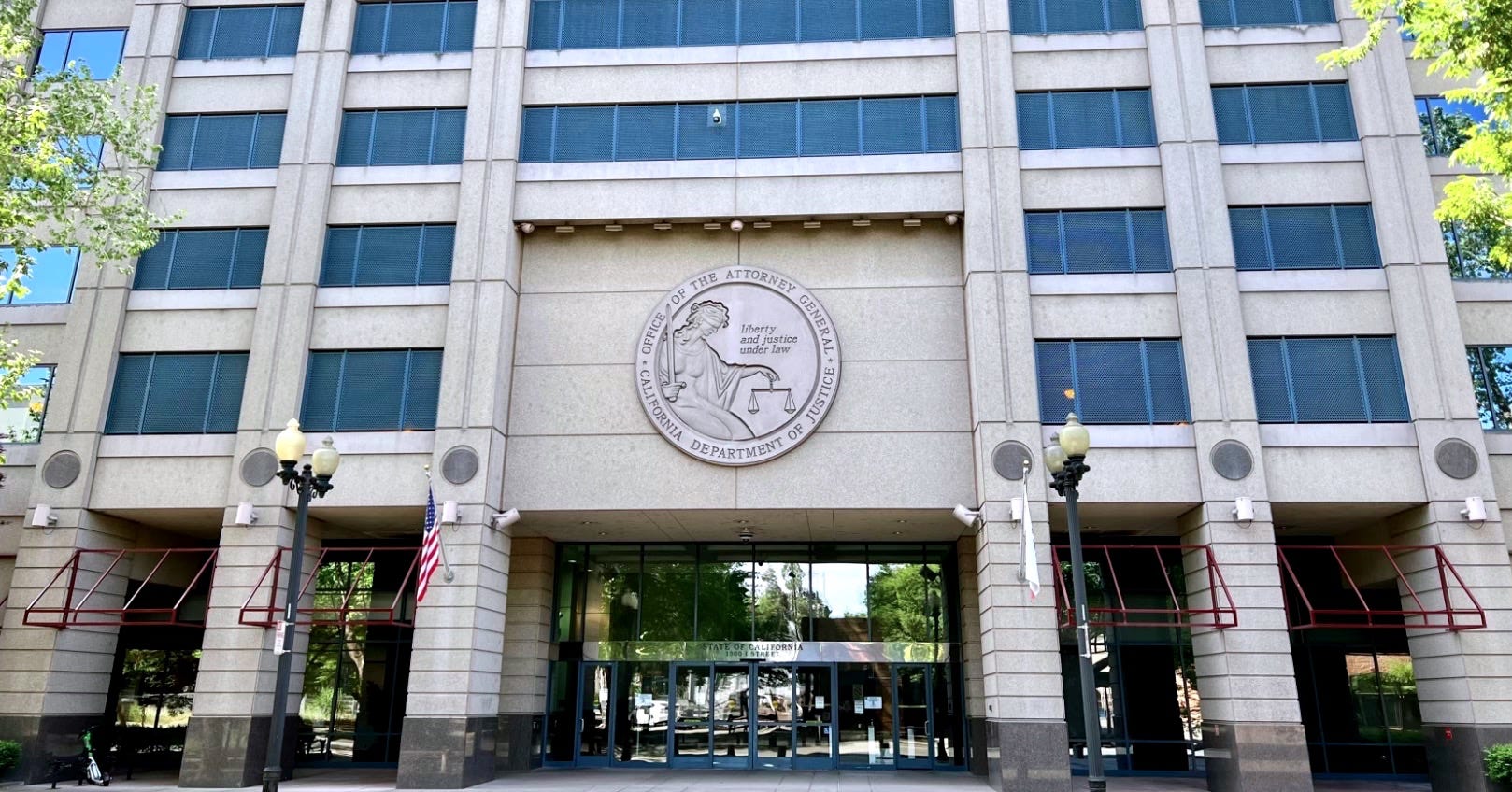
One of those interviews was a follow-up with California’s then-Attorney General Dan Lungren. I’d booked it at his 20th-floor office in the California Department of Justice building in Sacramento. A television crew and I pulled up midweek: a camera operator, sound technician, production assistant, our director, me, and a minivan full of production gear.
We started setting up. Within minutes, a disagreement broke out between our director and the AG’s staff over where the interview would happen. Our director wanted to film in the AG’s office for visual contrast with an earlier interview at a different location. The AG’s staff wanted to use the conference room, as the AG would be more comfortable there. Neither side budged. Things escalated fast and it got loud.
Two grown men yelling at each other, one of them a state government official. Half of me couldn’t believe the absurdity of it. The other half of me was trying to step in. Underneath all of it, my stress was building. I’d organized this shoot. If it fell apart, was that on me? Was I about to lose my job? I’d seen it happen while working in television: “Hey, pack your stuff up in a box.”
When voices are raised inside the Department of Justice building, a security detail shows up. Quickly. They were crisp, curt, and unrattled, informing us we’d be leaving. Now. Then they walked our entire crew out of the office to the elevator and rode down the 20 floors while standing behind us.
As the elevator descended, I glanced back over my shoulder at the detail. They wore earpieces. Under their blue sport coats, large guns.
Also see:
How to Onboard into a New Leadership Role: 7 Lessons from 25 Years - Gathering context is only the beginning. Here’s the playbook I’ve kept evolving.
Back on the first floor, we packed up our gear at the curb. Our director sped off, furious we hadn’t gotten the interview. I drove home to a small Bay Area apartment where my wife, Charlene, was returning from her work day, waiting to hear about the shoot in Sacramento.
I spent that two-hour drive home, and the rest of the night, playing the day back. The yelling, the confusion, the stress, the dread of walking into the office the next morning. I told Charlene, “I’m hoping I don’t get fired tomorrow.”
---
I’ve been telling teams a shorter version of this story ever since. I’d usually end with: “Team, let’s be honest. Nobody’s escorting us out of here with guns today.”
The rooms have changed since then. No more documentary crews. No government buildings. More whiteboards, longer meetings, Zoom calls. Product launches. New problems to solve.
But stressful work moments still show up and feel heavy. My body and mind still react. Like the launch at Included Health that slipped a date because we missed a detail in how a clinical tool should have worked. Or the email thread trying to explain a subscription-metric change to LinkedIn’s leadership the day of a business review.
That day with the AG’s security detail turned out to be a gift to a later version of me.
No matter what problem a team and I were facing, I knew I’d lived through 30 minutes worse than that. Once you’ve lived through your worst 30 minutes, every other hard thing feels easier.
That’s the gift. Not the stress. A lived perspective on how bad bad is.
---
This week, when you’re in a meeting that feels high-stakes, pause and ask: “Is this worse than my worst day?” Most of the time, it’s not.
What’s a moment that became your stress ceiling?