

👋 Hi, I’m Jeff. I coach senior product leaders through the moments their playbook stops working — drawing on 25+ years building at LinkedIn, Facebook, Headspace, and Included Health. If that’s you or someone you know, ping me.
⏱ Read time: 3 minutes
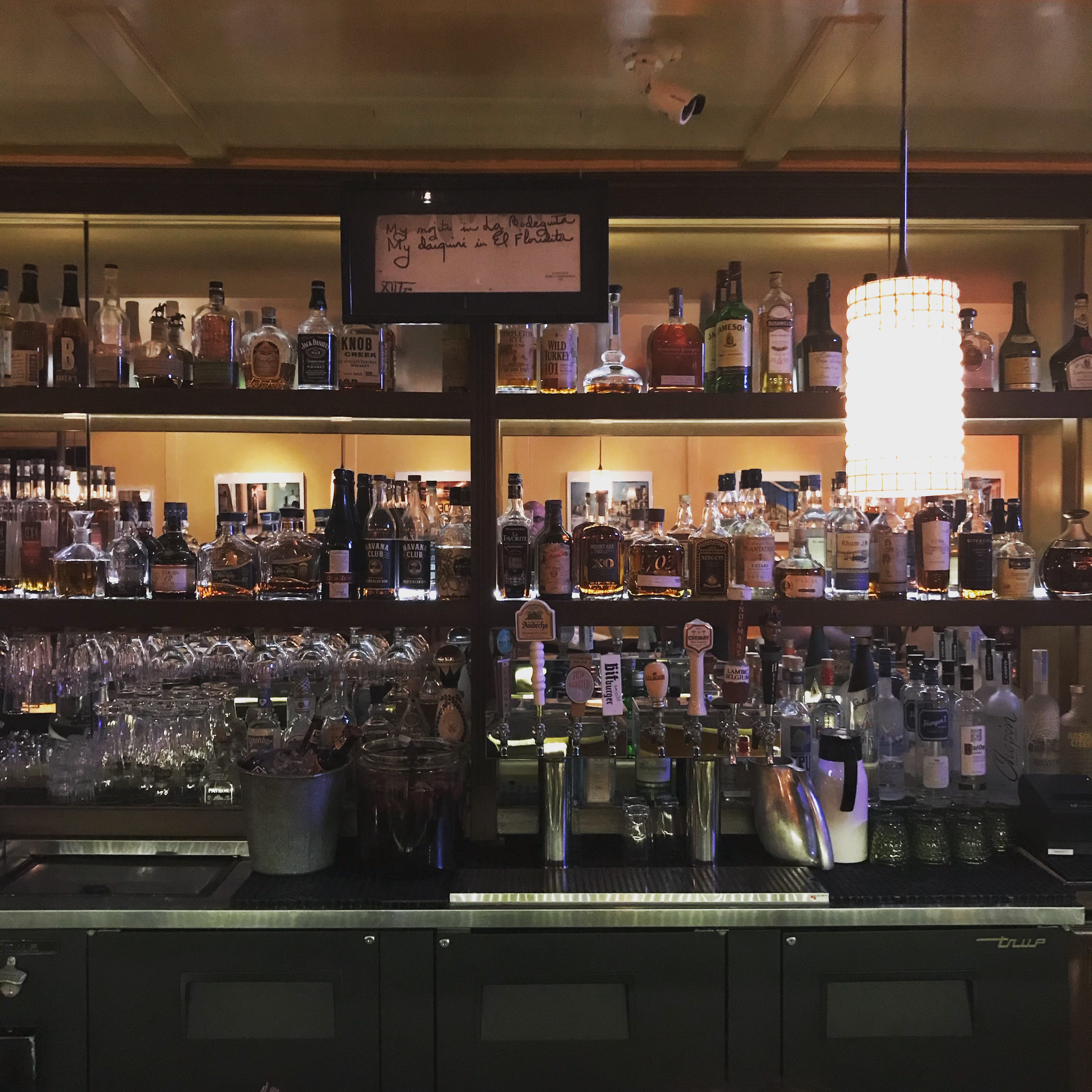
There was a time when Charlene and I loved getting an early evening cocktail at La Bodeguita del Medio, a local Cuban restaurant in Palo Alto.
The bar was friendly and fun, full of conversation and great snacks. Every so often, we’d show up, get comfortable, and have that first sip—always a Cuban sidecar in those days. For a second, all things felt possible.
Sometimes it was just the two of us, sometimes we’d chat at the bar with others.
Either way, the conversation was good. My favorite part usually came somewhere between the end of cocktail one and the beginning of cocktail two. The room got a little freer. Everyone worried less about how they sounded and edited themselves a little less. In the right company, people would start saying more of what they actually thought… about anything. (A few empanadas or bacon-wrapped dates also helped.)
There is something magical about that kind of moment. Not careless. Just more honest.
Not long ago, I was in a Zoom conversation with someone feeling stress due to increased scope in her role. We looked at her priority list together; it had 11 items on it. I’ve been there myself.
A list like that can almost always be defended. Each item is important in some way. But that list is usually the source of the stress—and the reason there’s no room to think.
Lists like these fragment attention. More importantly, they crowd out more spacious, creative thinking, where the biggest gains live.
Over time, I started thinking about priority lists through what I call the cocktail test. Here is how it works:
Imagine it is 2028. Imagine you’re having a drink—mocktail or cocktail, you decide.
You are sitting across from a friend or loved one who really knows you. The conversation has reached that magical, more honest place.
They ask you: “Looking back, what were the three things that mattered most?” (In whatever context–company or life.)
My bet is that your answer comes pretty quickly. And my much stronger bet is that your answer is not about eleven things. It’s two or three bigger, chunkier things. The things that changed the trajectory of a project, team, or company.
Also see:
Flash Feedback: The 45-Day Check-In That Changes Everything - A faster, simpler way to give new hires feedback that actually matters.
The cocktail test works because it’s easy to imagine, it creates distance from the day-to-day, and it helps you see this all more clearly. For me, it’s a quick, easy (fun!) exercise that compresses signal from noise faster than any planning framework I’ve used.
Molly Graham, who ran operations at early Facebook, wrote: “If you have 6 or 8 or 10 company goals, here’s the truth: you actually have 3 goals. You were just too scared to kill some of them.”
A long priority list can feel thorough and responsible. But the goal is not a more organized planning doc or list. The goal is to create more space for expansive, creative thinking that changes the trajectory of a company or life.
Without that space, you can become more efficient. You can get more done. But you may also just be running faster on a treadmill headed nowhere in particular.
You can try the cocktail test any time. Sometime this week, give yourself a little distance from your inbox, your calendar, and the list.
Grab your cocktail or mocktail of choice. Picture yourself in 2028, sitting across from a friend who really knows you. The conversation has reached that more honest place. They ask the magic question: “Looking back, what were the three things that mattered most?”
Imagine forward and then write down the answer.
Then hold those three things next to your current priority list. The gap is the point. If you feel bad about the gap, there’s good news. You’re at least in the middle of a nice cocktail.