


👋 Hi, I’m Jeff. I write weekly about lessons I’ve learned leading product teams and working to lead well in chaotic environments, drawing on 25+ years of building.
⏱ Read time: 2 minutes
There’s SO much AI writing right now and I’m finding it hard to sort signal from noise. My TLDR: Silicon Valley tends to get over-hyped. The links below reflect that tension — I’ll let you decide. Three links, a book, and a quote.
It’s Presidents’ Week and my week has been pleasantly slow. Hopefully yours too.
I hope something here sparks an idea for you.
Three links:
1 - Something Big Is Happening, Matt Shumer, Feb 9, 2026
The post, which was widely circulated via social platforms, argues we’re underestimating AI’s impact, comparing the moment to early 2020 — before COVID reshaped how we work. The author, an AI founder, says recent model advances have moved from “helpful tool” to systems that can independently complete complex, multi-day professional tasks beyond coding potentially better than humans. He uses legal review, financial analysis, and writing as examples and warns disruption to white-collar work in areas like these could arrive within years. The tone is intense and over the top, but the practical advice toward the end is useful and thought-provoking. For example: use the best paid tools, integrate them into real work, build adaptability, and start now. I don’t know that I get all the way there, though.
Quote to give you a flavor:
“Build the habit of adapting. This is maybe the most important one. The specific tools don’t matter as much as the muscle of learning new ones quickly. AI is going to keep changing, and fast. The models that exist today will be obsolete in a year. The workflows people build now will need to be rebuilt. The people who come out of this well won’t be the ones who mastered one tool. They’ll be the ones who got comfortable with the pace of change itself. Make a habit of experimenting. Try new things even when the current thing is working. Get comfortable being a beginner repeatedly. That adaptability is the closest thing to a durable advantage that exists right now.”
2 - Something Bad Is Happening (But It’s Not What You Think), Sahil Bloom, Feb 13, 2026
This feels like a counterpoint to the first post. Sahil Bloom argues that AI’s real danger isn’t mass job loss, but blind over-optimization. Using Rory Sutherland’s “Doorman Fallacy,” he shows how automation often targets “surface value” while destroying hidden “real value”—like connection, judgment, trust, or identity. A doorman provides far more than door-opening; cooking dinner offers more than calories. When we outsource writing, health, or thinking for efficiency, we risk losing the deeper benefits embedded in those workflows. The warning: don’t optimize the life out of your life.
Quote to give you a flavor:
In a 1984 entry from her collected diaries, author Helen Garner captured this sentiment beautifully: “At dinner the surgeon asked me why I write with a pen rather than using a dictaphone or a word processor. ‘Why would I?’ ‘Because it’s faster and more efficient.’ ‘But it’s my life’s work. I’m not in a hurry.’”
3 - The mistake 90% of people are making with AI right now, Dan Hockenmaier, February 16
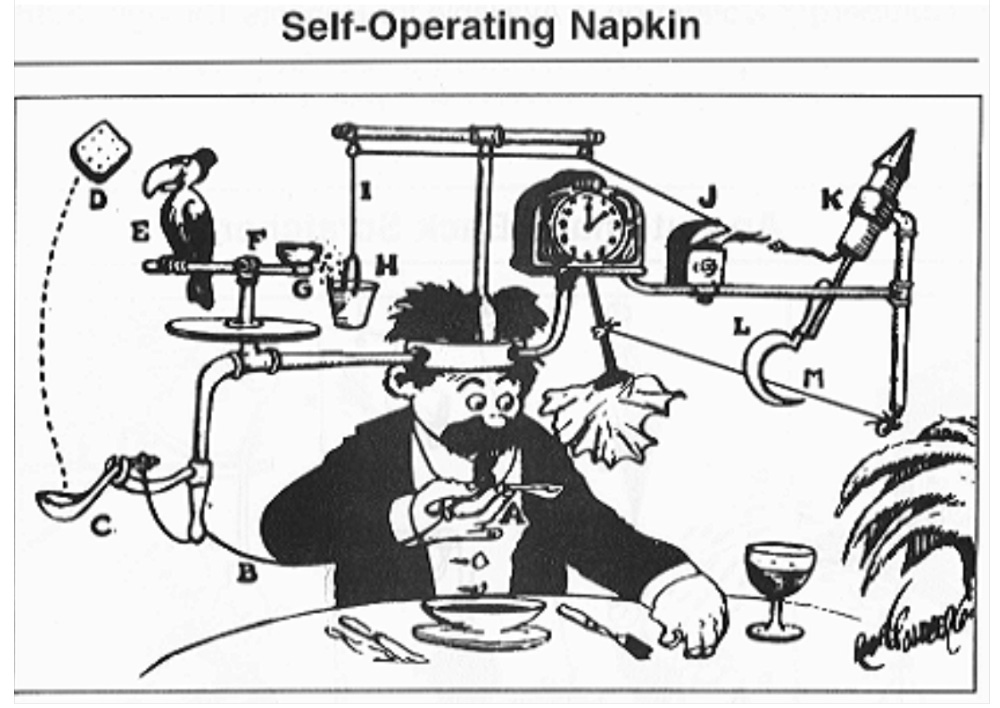
One more counterpoint to keep an eye on. This post says most people are misusing AI by starting with flashy tools and hunting for problems, instead of beginning with real problems and finding the right tools. In that context, AI can create a false sense of productivity: long-running agents and elaborate workflows feel impressive but often solve nothing meaningful. Much of today’s AI productivity is performative, like a Rube Goldberg machine for simple tasks. Instead, the writer says focus on a project that matters, then apply AI where it saves time or improves outcomes.
Quote to give you a flavor – this image from the post does the trick.
Put together, these three pieces ask a useful leadership question:
Are you optimizing for speed — or preserving the parts of the work that actually make you better?
If I were leading a team this week, I’d do one thing:
Ask: “What’s one workflow we could meaningfully upgrade in the next 30 days?”
A Book
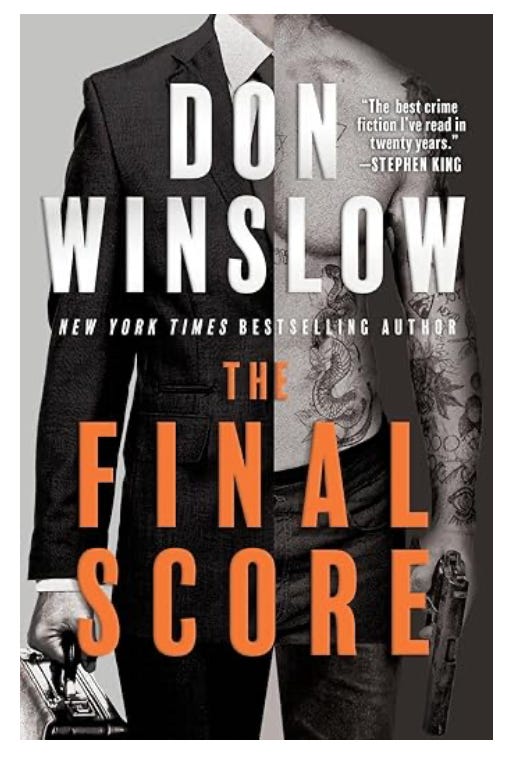
The Final Score, Don Winslow, 2026
Crime writing is a great palette cleanser after AI essays. Don Winslow’s The Final Score gathers six tight crime novellas that have been bouncing around the author’s mind following his attempt at retirement. Across all six, Winslow’s lean writing, moral tension, and one recurring theme all show up: in crime, time always wins. My favorite might be True Story, where two mid-level mobsters tell each other stories over breakfast in an East Coast diner – the story is 100% dialogue.
A Quote
More antidote to wall-to-wall AI coverage. I loved this bit from George Saunders from a January 10 New York Times interview, talking about the benefits of reading and writing. The whole interview is worth your time.
“…these benefits — I see them happening to me. They are incremental changes of consciousness on the part of the writer and the reader. I’m not claiming it as some kind of universal solution to anything. But to me, it’s becoming clear that writing and reading is a way of simply underscoring that human connection is important, that you can know my mind and I can know yours, which is a vastly consoling idea, and we need it.”